
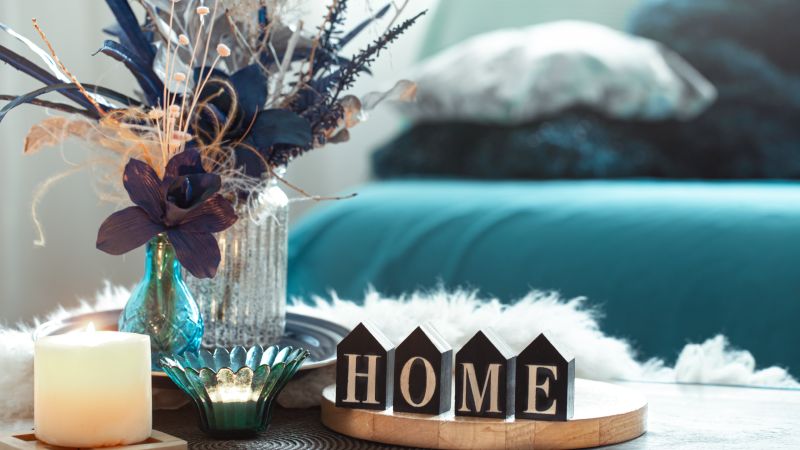
A well-designed home is more than a collection of attractive rooms. It is a space that supports everyday routines, reflects personal preferences, and creates a comfortable environment for everyone who lives there. From choosing suitable furniture to improving natural light and making better use of outdoor areas, thoughtful design can make a noticeable difference without requiring unnecessary complexity.
For readers interested in drhomey zephyrina crescent, exploring practical approaches to interior and exterior design can provide useful inspiration for creating a home that feels organized, welcoming, and functional.
Whether you’re considering a major renovation or making a few simple updates, start by focusing on how the space will be used and what its occupants need. Good design combines appearance with practicality, allowing each room and outdoor area to serve a clear purpose.
Understanding the Basics of Home Design
Home design involves several connected elements. Interior design focuses primarily on indoor spaces, while exterior design considers the appearance and usability of areas outside the main living spaces. Both should work together to create a consistent overall environment.
Before making changes, consider how each area is currently being used. A living room may need more seating, a bedroom might require better storage, or an outdoor area could benefit from improved lighting and comfortable furniture.
A useful starting point is to make a list of priorities. Separate essential improvements from decorative changes. This can help prevent unnecessary purchases and make the design process easier to manage.
Creating a Comfortable Interior
Interior spaces should be comfortable, functional, and visually balanced. One of the simplest ways to improve a room is to examine its layout.
Furniture should allow people to move around easily. Avoid filling every available area with furniture or decorations. Leaving enough open space can make a room appear larger and can also improve everyday movement.
Lighting is another important consideration. Whenever possible, make use of natural light during the day. Curtains and blinds can be selected according to the amount of privacy and sunlight a room requires.
For evening use, combine different types of lighting. Ceiling fixtures can provide general illumination, while table lamps, floor lamps, or wall lighting can provide more focused light.
Choosing a Practical Color Scheme
Colors have an important role in the overall appearance of a home. Soft neutral tones can provide a peaceful base, while thoughtfully chosen accent colors bring character and visual appeal to the space.
Instead of selecting many unrelated colors, choose a small palette that can be repeated throughout different areas. This creates visual continuity without making every room look identical.
For example, a neutral wall color can be combined with natural wood finishes, simple textiles, and a few decorative accents. If you prefer stronger colors, consider using them on one wall, in artwork, or through accessories rather than covering an entire room.
The goal is not simply to follow a particular trend. A good color scheme should remain comfortable and appealing to the people who live in the home.
Making Better Use of Storage
Storage is one of the most practical aspects of home improvement. A beautifully decorated room can still feel uncomfortable when everyday belongings have no suitable place.
Look for opportunities to use vertical space. Shelves, cabinets, and tall storage units can provide additional capacity without taking too much floor space.
Multi-purpose furniture can also be useful. A storage bench, bed with built-in drawers, or side table with compartments can provide functionality while maintaining a clean appearance.
Regular organization is equally important. Even the best storage system can become ineffective if unnecessary items continue to accumulate. Periodically sorting belongings can help maintain a more manageable environment.
Improving the Kitchen
The kitchen is often one of the busiest areas of a home, so functionality should be a major priority. Begin by considering how frequently used items are positioned.
Cooking utensils, commonly used ingredients, and everyday dishes should be easy to reach. Less frequently used equipment can be stored in less accessible locations.
Countertop space should also be considered carefully. Keeping the main preparation area relatively clear can make cooking easier and create a cleaner visual appearance.
Small improvements can make a difference. Better cabinet organization, additional shelving, improved lighting, and practical containers can all contribute to a more efficient kitchen without requiring a complete renovation.
Designing a Relaxing Bedroom
A bedroom should support rest and comfort. Start with the bed because it is usually the central feature of the room.
Choose furniture according to the room’s available space. Large furniture can make a compact bedroom feel cramped, while undersized pieces may make the space appear unbalanced.
Soft lighting can create a relaxing atmosphere in the evening. Bedding, curtains, rugs, and cushions can introduce texture while also adding visual interest.
Keep unnecessary distractions to a minimum. A well-organized bedroom can feel more peaceful and make daily routines easier.
Paying Attention to Exterior Design
Exterior design plays a key role in creating a cohesive and welcoming home environment. The outside of a property provides the first visual impression and can also influence how residents use outdoor spaces.
When considering drhomey zephyrina crescent, exterior design ideas can include entrances, pathways, walls, windows, lighting, landscaping, and outdoor seating.
The design should complement the property’s existing structure instead of simply following popular trends. Materials, colors, and decorative details should blend together harmoniously.
A simple entrance can often be improved through suitable lighting, clean pathways, attractive plants, or a well-maintained door. These changes do not necessarily require major construction.
Making Outdoor Areas More Useful
Outdoor spaces can become valuable extensions of the home when they are planned thoughtfully. A small patio, balcony, garden, or entrance area can serve several purposes.
Consider how the space will be used. If it is primarily for relaxation, comfortable seating and shade may be useful. If it is intended for social gatherings, flexible seating and suitable lighting can make the area more practical.
Plants can also enhance the visual appeal and natural feel of an outdoor space. Choose plants according to available sunlight, climate, maintenance requirements, and available space.
The key is to avoid overcrowding. A smaller number of carefully positioned elements can often create a cleaner and more inviting appearance.
Selecting Furniture Carefully
Furniture represents a significant part of both the appearance and functionality of a home. Before buying something new, measure the available area.
Measurements can prevent common problems such as furniture blocking doors, reducing walking space, or appearing disproportionate to the room.
Consider durability as well. A piece of furniture may look attractive in a showroom but may not be appropriate for a household with frequent daily use.
When selecting furniture, think about comfort, maintenance, size, material, and long-term usefulness. A practical piece that works well for several years can be more valuable than something selected only because it follows a temporary trend.
Using Decoration Without Overcrowding
Decorative items can give a home character, but too many objects can make rooms appear cluttered.
Choose decorations that have meaning or contribute positively to the room. Artwork, photographs, plants, mirrors, books, and carefully selected accessories can create personality without overwhelming the space.
Mirrors can also be useful in certain areas because they can reflect light and create a sense of greater openness. Their placement should be considered carefully so that the reflection contributes to the room rather than creating visual distractions.
Remember that decoration is easier to change than major structural features. This makes accessories a convenient way to refresh a room when your preferences change.
Planning Improvements Within a Budget
Home improvement does not always require a large budget. Establishing priorities can help you decide where available funds will have the greatest practical effect.
Start with improvements that solve actual problems. For example, repairing damaged surfaces, improving lighting, organizing storage, or addressing inefficient layouts may provide more everyday value than purely decorative purchases.
Create a basic budget before beginning larger projects. Include the cost of materials, furniture, labor where necessary, and potential unexpected expenses.
For smaller projects, consider completing improvements gradually. This approach allows you to evaluate each change before moving to the next one.
Building a Consistent Home Style
A home does not need to follow one strict design style. However, some consistency between rooms can make the overall environment feel more connected.
You can achieve this by repeating certain materials, colors, textures, or decorative themes. For example, similar wood finishes or complementary colors can appear in different rooms without making them identical.
The goal is to create a natural transition between spaces. Individual rooms can still have their own personality while sharing a few visual elements.
For anyone researching drhomey zephyrina crescent, this principle is especially useful when considering how interior and exterior ideas can be combined into a coherent home concept.
Small Changes That Make a Difference
Not every home improvement project needs to be large. Simple changes can sometimes produce noticeable results.
Rearranging furniture can improve movement. Replacing outdated lighting can change the atmosphere of a room. Adding organized storage can reduce clutter. New curtains or cushions can refresh a familiar space.
Cleaning and maintaining existing features is another overlooked improvement. Fresh paint, clean windows, maintained fixtures, and well-kept outdoor areas can make a home feel significantly more cared for.
Before starting an expensive project, look at what can be improved using the resources you already have.
Thinking About Long-Term Comfort
Good home design should remain useful over time. Trends can be inspiring, but practical decisions should take priority.
Consider how your needs may change. Flexible furniture, adaptable rooms, accessible storage, and durable materials can make a home easier to use for longer.
Maintenance should also be part of the planning process. A design that requires constant care may become difficult to manage, while practical materials and simple layouts can reduce everyday effort.
The best home improvements are those that combine appearance, comfort, functionality, and sustainability.
Final Thoughts
Creating a comfortable home is an ongoing process rather than a single project. Every room provides opportunities to improve organization, convenience, appearance, and everyday enjoyment.
From interior layouts and color choices to exterior features and outdoor spaces, thoughtful planning can help homeowners make better use of what they already have. Small improvements can be introduced gradually, while larger projects can be approached with a clear budget and realistic priorities.
The ideas associated with drhomey zephyrina crescent can serve as a starting point for exploring practical home design concepts. Ultimately, the most successful home is one that reflects the needs of its residents while remaining comfortable, functional, and welcoming.