
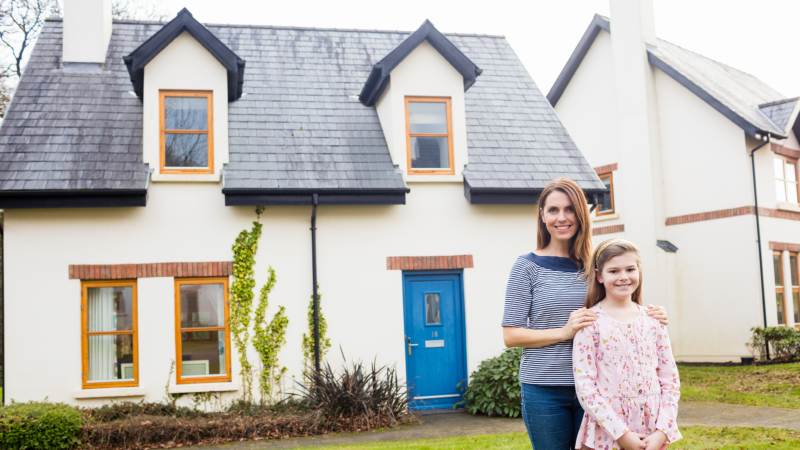
The exterior of a home creates the first impression, but its importance goes beyond appearance. A well-planned exterior can improve comfort, functionality, maintenance, and the overall character of a property. From the front entrance and walls to outdoor lighting, landscaping, windows, and seating areas, every detail can contribute to a more welcoming environment.
When planning drhomey exterior design, it is helpful to think about both visual appeal and practical requirements. A beautiful exterior should also be durable, easy to maintain, and suitable for the property’s surroundings. Even simple improvements can make a noticeable difference when they are planned carefully.
Whether you are building a new home, renovating an existing property, or simply looking for fresh ideas, exterior design offers many opportunities to improve your living space. The key is to create a balanced look that reflects your preferences while meeting everyday needs.
Understanding Exterior Design
Exterior design includes all the visible and functional elements surrounding the outside of a home. These can include the main entrance, facade, roof, windows, doors, pathways, garden areas, fences, outdoor lighting, and seating spaces.
Before making changes, examine the existing structure. Identify features that already work well and areas that need improvement. This can help you avoid unnecessary changes and focus your budget on important upgrades.
It is also useful to consider how the exterior connects with the interior. The materials, colors, and architectural details outside can complement the style used inside the house. Creating this connection can make the property feel more cohesive.
Choosing the Right Exterior Colors
Color is one of the easiest ways to change the appearance of a home. The right combination can make a property feel modern, traditional, warm, or contemporary.
When selecting exterior colors, consider the size and architectural style of the building. Light shades can create a bright and open appearance, while darker tones can provide contrast and visual depth.
Instead of using many different colors, choose a main shade and one or two complementary colors. A neutral base can be combined with a stronger shade around the entrance, windows, or architectural features.
The surrounding environment should also influence your decision. Landscaping, neighboring properties, paving materials, and natural surroundings can all affect how a particular color combination looks.
Improving the Front Entrance
The entrance is one of the most noticeable parts of a home. A clean and attractive entrance can immediately improve the property’s appearance.
Start by keeping the pathway clear and well maintained. The front door can become a focal point through its color, material, hardware, or surrounding decoration.
Lighting is another useful feature. Wall lights or pathway lighting can improve visibility in the evening while adding visual interest.
Plants can also enhance the entrance. A few carefully positioned pots or garden plants can provide natural color without making the area feel crowded.
For homeowners exploring drhomey exterior design, the entrance is a practical place to begin because relatively small changes can create a noticeable improvement.
Selecting Exterior Materials
Exterior materials need to balance appearance with durability. Walls, flooring, doors, windows, and other surfaces are exposed to changing weather conditions, so their maintenance requirements should be considered before installation.
Common exterior materials include brick, stone, concrete, wood, metal, glass, and various modern finishing materials. Each option has different characteristics.
Natural materials can provide texture and warmth, while modern finishes can create a cleaner and more contemporary appearance. The best choice depends on the architectural style, local conditions, budget, and maintenance preferences.
Before choosing a material, consider how it will look after several years of exposure to sunlight, rain, dust, and temperature changes.
Designing Outdoor Lighting
Outdoor lighting serves both practical and decorative purposes. It can make pathways easier to navigate, highlight architectural details, and create a welcoming atmosphere.
Begin with areas that require functional lighting. Entrances, stairs, pathways, garages, and frequently used outdoor spaces should receive adequate illumination.
Decorative lighting can then be added to highlight plants, walls, trees, or other features. Avoid excessive lighting, as too many bright fixtures can make an exterior feel uncomfortable.
Energy-efficient lighting options can also help reduce ongoing electricity use. Timers or automated controls may make outdoor lighting easier to manage.
Adding Greenery and Landscaping
Plants can transform the appearance of an exterior while adding a natural element to the property. However, landscaping should be planned according to the available space and maintenance requirements.
For smaller properties, container plants, vertical gardens, and compact shrubs can provide greenery without requiring extensive space.
Larger gardens may offer opportunities for trees, flower beds, grass, pathways, and seating areas. When selecting plants, consider sunlight, water requirements, seasonal changes, and the amount of maintenance you are willing to perform.
A simple landscaping plan can often be more effective than filling every available area with plants. Leave enough open space to maintain a balanced appearance.
Creating a Comfortable Outdoor Seating Area
An outdoor seating area can make a garden, balcony, terrace, or patio more useful. Depending on the available space, this area can be used for reading, relaxing, dining, or spending time with family and friends.
Choose furniture according to the size of the area. Oversized furniture can make a small patio feel cramped, while lightweight and flexible pieces may work better in limited spaces.
Weather-resistant materials are particularly important for outdoor furniture. Cushions and fabrics should also be selected according to how much exposure they will receive.
Shade can improve comfort during warmer weather. Umbrellas, pergolas, awnings, or naturally shaded areas can help create a more pleasant outdoor environment.
Making Windows Part of the Design
Windows influence both the interior and exterior appearance of a property. Their shape, size, frames, and placement can contribute significantly to the overall architectural style.
Clean and well-maintained windows can make a home look more cared for. If replacement is being considered, think about energy efficiency, ventilation, natural light, and long-term durability.
Window frames can also provide visual contrast. Depending on the style of the property, neutral, dark, metallic, or wood-inspired finishes may complement the exterior.
Curtains and blinds are primarily interior features, but they can also affect how windows appear from outside. Keeping their appearance relatively consistent can contribute to a more organized facade.
Maintaining the Roof and Exterior Walls
Exterior design is not only about decoration. Maintenance is essential for protecting the property and preserving its appearance.
Regularly inspect exterior walls for visible cracks, stains, peeling finishes, or signs of water damage. Addressing minor problems early can help prevent larger repairs.
The roof should also receive appropriate attention. Remove accumulated debris where safe and check for visible signs of damage. Gutters and drainage systems should remain clear so that rainwater can move away from the building properly.
A clean and well-maintained exterior can sometimes make a greater difference than expensive decorative additions.
Using Fences and Boundaries Effectively
Fences, gates, walls, and other boundaries can provide privacy and security while contributing to the property’s overall appearance.
The style of these features should complement the home rather than appearing disconnected from it. Materials and colors can be coordinated with the main building.
For smaller properties, lighter or more open boundary designs may help prevent the exterior from feeling enclosed. Larger properties may have more flexibility when combining walls, plants, gates, and decorative elements.
Whatever design you choose, make sure it remains practical for access, maintenance, and everyday use.
Planning on a Realistic Budget
Exterior improvements can range from inexpensive decorative changes to major renovation projects. Establishing a budget before beginning work can help prevent unnecessary spending.
Start by identifying essential repairs. Structural or maintenance-related problems should generally be addressed before purely decorative improvements.
After essential work is planned, divide the remaining budget between high-priority visual upgrades and optional features. For example, improving the entrance, lighting, or landscaping may provide noticeable results without requiring a complete exterior renovation.
It can also be helpful to complete projects in stages. This allows you to evaluate each improvement before investing in the next one.
Combining Style With Function
A successful exterior should look attractive while remaining practical. Design choices should support the way the property is actually used.
For example, a large decorative garden may not be suitable for someone who prefers low-maintenance outdoor spaces. Similarly, delicate exterior materials may not be appropriate in areas exposed to harsh weather.
When considering drhomey exterior design, focus on solutions that match your lifestyle, property size, climate, maintenance preferences, and budget.
This approach helps ensure that improvements remain useful rather than simply following temporary design trends.
Simple Exterior Updates to Consider
You do not always need a major renovation to refresh a home’s exterior. Several smaller projects can produce meaningful changes.
Repainting the front door, cleaning exterior surfaces, replacing outdated light fixtures, adding planters, improving pathway appearance, or rearranging outdoor furniture can all refresh a property.
Updating house numbers, mailbox details, door hardware, or other small features can also add a more polished appearance.
Before purchasing new items, look at what you already have. Cleaning, repairing, repainting, or repositioning existing features may provide an affordable alternative to replacement.
Thinking About Long-Term Design
Exterior design should remain useful and attractive for years. While current trends can provide inspiration, durable choices often provide greater long-term value.
Choose materials that are suitable for the property’s conditions and select colors that you are comfortable living with over time. Consider future maintenance requirements before committing to complicated designs.
A balanced exterior does not need to be highly elaborate. Simple architectural details, suitable landscaping, effective lighting, and consistent colors can create a polished appearance without unnecessary complexity.
The principles behind drhomey exterior design can help homeowners approach exterior improvements with greater attention to comfort, durability, and visual balance.
Final Thoughts
A home’s exterior combines architecture, landscaping, lighting, materials, and practical features into one overall environment. Improving these elements does not always require a major renovation. Small, carefully planned changes can enhance the appearance and usability of a property.
Start with the areas that need attention most, establish a realistic budget, and select materials and features that fit your lifestyle. Whether you are improving an entrance, adding greenery, updating lighting, or creating an outdoor seating area, thoughtful planning can make the process easier.
The goal of drhomey exterior design is not simply to create an attractive facade. A well-planned exterior should make the property feel welcoming, functional, comfortable, and easier to maintain. By combining practical decisions with personal style, homeowners can create an outdoor environment that complements the home and supports everyday living.