
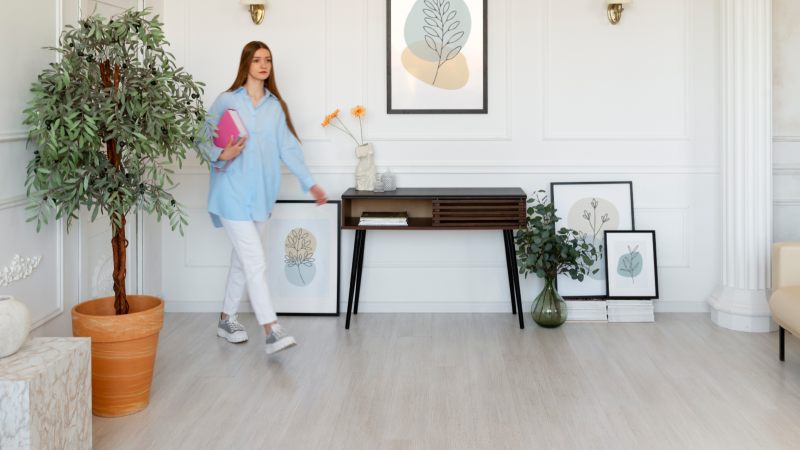
A thoughtfully designed home can improve everyday comfort, support better organization, and create a welcoming atmosphere for family members and guests. Interior design is not simply about choosing attractive furniture or following the latest decorating trends. It involves arranging spaces carefully, selecting suitable colors, improving lighting, and balancing appearance with functionality.
Interior design drhomey offers inspiration for readers who want to make their living spaces more attractive and practical. Whether you are decorating a new property, refreshing a single room, or improving an existing home on a limited budget, a few well-planned changes can make a noticeable difference.
Understanding the basic principles of interior design can help you make informed decisions and avoid unnecessary expenses. With a clear plan, you can create rooms that reflect your preferences while remaining comfortable, organized, and easy to maintain.
Understanding the Basics of Interior Design
Interior design focuses on creating indoor spaces that are attractive, practical, and comfortable. It includes furniture placement, color selection, lighting, flooring, wall finishes, storage, and decorative accessories.
Before making changes, consider how each room is used. A living room may need comfortable seating and space for conversation, while a bedroom should encourage relaxation. A kitchen requires practical storage and convenient access to frequently used items.
Start by identifying the main purpose of each area. Then consider which features already work well and which ones need improvement.
For example, rearranging furniture may improve movement through a room without requiring new purchases. Adding shelves can create extra storage, while changing the lighting can make a space feel more welcoming.
Good interior design begins with understanding your needs rather than buying decorations immediately.
Choosing Colors That Complement Your Space
Color plays an important role in how a room looks and feels. Different shades can influence the atmosphere, highlight architectural features, and connect separate areas of a home.
Neutral colors such as white, beige, cream, and soft gray can create a versatile foundation. Accent colors introduced through cushions, curtains, artwork, or furniture can add personality without overwhelming the room.
Choose colors based on the room’s size and how much natural sunlight enters the space. Lighter shades may help a small room feel more open, while deeper colors can create a cozy atmosphere when used thoughtfully.
Try to select a limited palette of complementary colors. Repeating certain shades throughout a home can create visual continuity while allowing individual rooms to retain their own character.
Before painting an entire room, test a small sample on the wall. Observe how it looks in daylight and under artificial lighting to make sure it suits the space.
Arranging Furniture for Comfort and Functionality
Furniture placement affects both the appearance and usability of a room. Even attractive furniture can make a space uncomfortable if it blocks walkways or leaves insufficient room for everyday activities.
Begin by measuring the room and noting the position of doors, windows, electrical outlets, and other important features. These measurements can help you choose furniture that fits comfortably.
In a living room, arrange seating to support conversation and allow easy movement. Avoid pushing too many pieces into one area simply because there is available floor space.
Bedrooms benefit from practical layouts that leave enough room around the bed and provide convenient access to storage. In smaller rooms, multifunctional furniture can help maximize the available space.
Before purchasing new items, consider rearranging the furniture you already own. A different layout may improve the room’s appearance without adding to your budget.
Making the Most of Natural and Artificial Lighting
Lighting can significantly influence the atmosphere of an interior. A well-lit room is often more comfortable to use, while carefully positioned lamps can create a relaxing environment in the evening.
Natural light should be considered during the planning process. Keep windows reasonably clear of unnecessary obstructions, and choose curtains or blinds that provide privacy without blocking more daylight than necessary.
Artificial lighting should suit the purpose of each room. General lighting illuminates the overall space, while task lighting helps with specific activities such as reading, cooking, studying, or working.
Accent lights can draw attention to artwork, shelving, and other decorative details. Combining different types of lighting creates flexibility and allows a room to serve several purposes.
Energy-efficient LED bulbs are worth considering because they are available in different brightness levels and color temperatures. Choose lighting that feels comfortable for the activities performed in each space.
Creating an Organized Living Room
The living room is often a central gathering place, making comfort and organization especially important.
Start with the main furniture pieces, such as the sofa, chairs, and coffee table. Arrange them to encourage conversation while keeping pathways open.
Choose a focal point if the room has one, such as a window, fireplace, or media area. Organizing furniture around this feature can help the room feel more balanced.
Storage can prevent everyday belongings from creating clutter. Cabinets, baskets, shelves, and storage ottomans can provide practical places for books, remote controls, blankets, and other frequently used items.
Decorative accessories should be selected carefully. A few meaningful objects, plants, or pieces of artwork can add character without making surfaces look crowded.
The aim is to create a room that feels welcoming and works well for the people who use it.
Designing a Peaceful and Comfortable Bedroom
A bedroom should support rest, relaxation, and privacy. Its design should therefore prioritize comfort over unnecessary decoration.
Choose a bed and mattress that suit your needs, and arrange other furniture to preserve enough space for movement. Bedside tables can keep frequently used items accessible, while wardrobes or drawers help maintain organization.
Soft textiles can make the room feel more comfortable. Curtains, bedding, cushions, and rugs introduce texture and can connect different colors within the space.
Lighting should also suit the bedroom’s purpose. Bedside lamps or adjustable fixtures can provide useful illumination without requiring bright overhead lighting throughout the evening.
Keep decorative choices relatively simple if you prefer a calm atmosphere. Removing unnecessary objects and organizing visible surfaces can make the room feel more restful.
Improving Kitchen Design and Storage
A functional kitchen requires careful attention to movement, storage, lighting, and work surfaces.
Frequently used utensils, cookware, and ingredients should be easy to access. Items that are rarely needed can be stored in less accessible cupboards or shelves.
Keep preparation surfaces as clear as possible. Organizers, drawer dividers, containers, and properly arranged cabinets can make daily cooking more convenient.
Lighting is particularly important in areas used for chopping, preparing food, and cleaning. Ensure that work surfaces receive adequate illumination.
Color and material choices should also reflect practical requirements. Surfaces that are easy to clean can simplify maintenance, while complementary cabinet finishes and wall colors can create a coordinated appearance.
Even small improvements, such as reorganizing drawers or adding suitable shelving, can make a kitchen more efficient without requiring a complete renovation.
Using Decorative Accessories Effectively
Decorative accessories allow homeowners to express their personal style. Artwork, mirrors, plants, cushions, rugs, and photographs can add interest and warmth to a room.
However, decoration works best when it complements the overall design rather than competing with it.
Choose accessories according to the room’s colors, size, and purpose. A large artwork may work well above a sofa, while smaller decorative pieces may be more appropriate for shelves or side tables.
Mirrors can reflect natural light and create a greater sense of openness when positioned thoughtfully. Indoor plants can introduce natural texture, provided they receive appropriate light and care.
Avoid filling every available surface with objects. Leaving some areas clear helps individual decorative features stand out and makes cleaning easier.
Interior Design DrHomey: Improving Small Spaces
Small homes and compact rooms can be attractive and practical when their layouts are planned carefully. The key is to make effective use of available space without overcrowding it.
Choose furniture that fits the room’s proportions. Large pieces can restrict movement, while compact furniture with built-in storage may offer greater flexibility.
Vertical storage can help free up floor space. Wall-mounted shelves, tall cabinets, and hooks can keep belongings organized without occupying too much of the room.
Light colors, suitable lighting, and simple decorative arrangements can also help a small room feel more open. Furniture with visible legs may create a lighter visual effect than bulky pieces that cover large areas of the floor.
Consider multifunctional items such as foldable tables, storage benches, or sofa beds when they suit your lifestyle.
The principles of interior design drhomey encourage practical decisions that make the most of every available area while preserving comfort and visual balance.
Planning Interior Improvements on a Budget
Creating an attractive home does not always require expensive furniture or major renovations. Careful planning can help you improve your surroundings while controlling costs.
Start by identifying the changes that would provide the greatest benefit. Repairing damaged surfaces, improving lighting, organizing storage, or rearranging furniture may be more useful than buying new decorations.
Set a realistic budget before beginning a project. Include the cost of materials, furniture, delivery, and professional assistance when necessary.
You can also make improvements gradually. Refresh one room at a time, evaluate the results, and then decide what to change next.
Whenever possible, reuse existing items. Repainting a suitable piece of furniture, replacing old handles, or updating textiles can give familiar objects a fresh appearance at a lower cost.
Conclusion
Interior design is about creating spaces that combine beauty, comfort, and practical functionality. From selecting colors and arranging furniture to improving lighting and organizing storage, small decisions can have a meaningful effect on everyday living.
By focusing on your needs, working within your budget, and avoiding unnecessary clutter, you can gradually develop a home that feels welcoming and reflects your personal style.
Interior design drhomey provides a useful starting point for exploring ideas that can improve different rooms and living spaces. Whether you are updating a bedroom, organizing a kitchen, decorating a living room, or making a small space more functional, thoughtful planning can help you achieve lasting results.
Ultimately, the best interior design is not about creating a perfect-looking room. It is about building a comfortable environment that supports your daily routine and makes your home a more enjoyable place to live.