
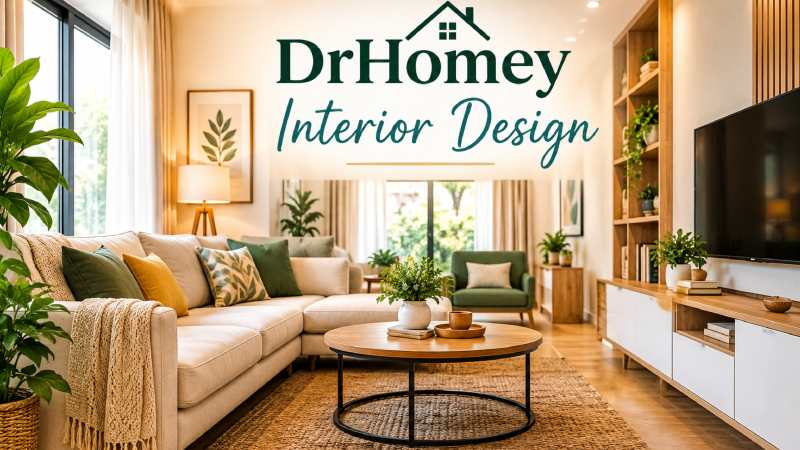
DrHomey interior design focuses on practical ideas that help homeowners improve their living spaces while balancing beauty and everyday convenience. Whether you are decorating a new property or refreshing a familiar room, understanding a few essential design principles can help you make better choices without unnecessary spending.
1. Understand Your Space Before Decorating
Before purchasing furniture or selecting decorative accessories, take time to understand your room. Consider its dimensions, natural lighting, existing features, and intended purpose. A living room used for family gatherings may require a different arrangement from a quiet reading area or a home office.
Measure the available floor space and identify doors, windows, electrical outlets, and walking routes. These details help you determine where furniture can be placed without making the room feel crowded.
It is also useful to identify the main purpose of each area. For example, a bedroom should encourage relaxation, while a kitchen should support convenient food preparation and storage.
Planning before decorating reduces unnecessary purchases and helps create a consistent appearance. Even a small room can feel spacious when its layout is carefully considered.
2. Choose Colours That Create the Right Atmosphere
Colour has a powerful influence on the appearance and mood of a room. Light shades, including white, cream, and pale grey, can make smaller spaces feel brighter and more open. Deeper colours, such as navy blue, forest green, and charcoal, can add depth and character when used thoughtfully.
A simple approach is to select one main colour, one complementary colour, and an accent shade. For instance, a living room with cream walls might include brown furniture, green cushions, and natural wooden accessories.
Neutral colours are particularly useful because they work well with different furniture styles. They also make it easier to update a room by changing smaller items rather than repainting every wall.
However, a beautiful interior does not need to follow strict colour rules. Personal preferences, existing furniture, and the amount of natural light should all influence the final decision.
3. Select Furniture That Combines Comfort and Function
Furniture is one of the most important elements of any interior. Attractive pieces can improve the appearance of a room, but they should also meet the practical needs of the people who use it.
When choosing a sofa, bed, dining table, or storage cabinet, consider its size, durability, comfort, and maintenance requirements. A large sofa may look impressive in a showroom but overwhelm a compact living room.
Measure furniture carefully before buying it. Leave enough room for people to move comfortably between major pieces. In dining areas, ensure chairs can be pulled out without blocking nearby walkways.
Multifunctional furniture is particularly helpful in smaller homes. Storage beds, folding tables, nesting side tables, and ottomans with hidden compartments can provide additional usefulness without taking up excessive space.
A balanced room contains enough furniture to serve its purpose without becoming overcrowded.
4. Improve Lighting for a Brighter Interior
Lighting can transform a room even when the furniture and wall colours remain unchanged. A combination of natural light and artificial lighting generally creates a more comfortable environment than relying on a single ceiling fixture.
During the day, keep windows reasonably clear to allow sunlight to enter. Lightweight curtains can provide privacy while maintaining brightness. Mirrors positioned thoughtfully can also reflect available light and make a room appear more open.
For artificial lighting, consider three basic types:
-
Ambient lighting: Provides general illumination throughout a room.
-
Task lighting: Supports specific activities such as reading, cooking, or working.
-
Accent lighting: Highlights artwork, architectural details, shelves, or decorative objects.
For example, a bedroom might use a ceiling light for general visibility, bedside lamps for reading, and a small accent light to create a relaxing atmosphere.
Warm lighting often works well in bedrooms and living rooms, while brighter, more neutral lighting can be useful in kitchens and work areas. Choosing suitable lighting makes a home both practical and inviting.
5. Make Small Rooms Feel More Spacious
Limited space does not prevent homeowners from creating attractive interiors. The key is to use the available area efficiently and avoid unnecessary visual clutter.
Start by removing items that are no longer useful. Keep frequently used belongings accessible and store occasional-use items in designated places. Clear surfaces and organised shelves can make even a compact room feel calmer.
Furniture with exposed legs can create a sense of openness because more of the floor remains visible. Wall-mounted shelves and cabinets can also free up valuable floor space.
Mirrors, light-coloured walls, and curtains hung close to the ceiling can help a room appear larger. However, these features should be used in moderation to maintain a balanced appearance.
Another useful strategy is to choose a few meaningful decorative pieces instead of filling every available surface. A carefully selected painting, plant, or lamp can create a stronger impression than numerous unrelated accessories.
6. Add Personality Through Decorative Accessories
Decorative accessories help turn a functional room into a personal living space. Cushions, rugs, framed pictures, indoor plants, and ornaments can introduce colour, texture, and character.
The most effective accessories usually complement the room’s existing colours and materials. For example, a neutral sofa can be refreshed with textured cushions, while a wooden coffee table can be styled with a small tray and a simple decorative object.
Artwork should be selected according to personal taste and the scale of the wall. One larger piece can sometimes create a cleaner appearance than several small items arranged without a clear plan.
Plants are another popular option because they introduce natural colour and texture. Choose varieties that suit the room’s available light and your ability to maintain them.
The goal is not to display as many accessories as possible. Instead, select items that have personal meaning or contribute to the overall design.
7. Create a Comfortable and Practical Living Room
The living room often serves several purposes, including relaxing, entertaining guests, watching television, and spending time with family. Its design should support these activities without sacrificing comfort.
Begin by identifying the room’s main focal point. This might be a fireplace, a large window, a television, or an attractive piece of artwork. Arrange the main seating around this feature while maintaining comfortable conversation distances.
A rug can help define the seating area, particularly in an open-plan home. Ideally, its dimensions should relate to the size of the furniture rather than appearing too small beneath the seating arrangement.
Use side tables to keep everyday items within reach, and consider storage baskets or cabinets for blankets, books, and electronic accessories.
Good organisation is just as important as decoration. When everyday belongings have designated places, the living room becomes easier to maintain and more pleasant to use.
8. Design a Relaxing and Organised Bedroom
A bedroom should support rest and provide a comfortable place to begin and end each day. Its design should prioritise a suitable bed, comfortable bedding, practical storage, and a peaceful atmosphere.
Start with the bed because it usually occupies the largest portion of the room. Choose a size that provides sufficient sleeping space without making movement difficult.
Soft bedding, coordinated curtains, and a limited colour palette can create a calm appearance. Bedside tables provide convenient places for lamps, books, and other essential items.
Storage is particularly important in bedrooms. Wardrobes, under-bed containers, drawer organisers, and hooks can help keep clothing and personal belongings in order.
Avoid excessive decoration around the bed and keep unnecessary electronic equipment from dominating the space. A simple, organised layout can make the room feel more restful.
9. Bring Natural Materials Into Your Home
Natural materials can introduce warmth and texture into an interior. Wood, cotton, linen, stone, bamboo, and similar materials work with many decorating styles, from traditional homes to contemporary apartments.
Wooden furniture can provide visual warmth, while cotton and linen fabrics can soften the appearance of sofas, curtains, and bedding. Woven baskets offer practical storage and add texture to otherwise plain spaces.
You do not need to replace all your furniture to introduce natural materials. Small additions, such as a wooden tray, a woven rug, or fabric cushion covers, can create a noticeable difference.
When selecting these items, consider durability and maintenance. Materials used in busy households should be suitable for frequent cleaning and everyday wear.
Combining different textures can make a room more interesting without relying on bold colours or expensive decorations.
10. Keep Your Home Organised With Smart Storage
Good storage supports both the appearance and functionality of an interior. Even a beautifully decorated room can feel uncomfortable when belongings are scattered across tables, floors, and seating areas.
Begin by reviewing the items stored in each room. Separate frequently used belongings from occasional-use items and remove things that no longer serve a purpose.
Use drawer dividers for smaller objects, labelled containers for seasonal belongings, and baskets for items that need to remain accessible. In kitchens, organise frequently used utensils and ingredients near the areas where they are needed.
Vertical storage is particularly valuable in compact homes. Tall shelving units, wall-mounted hooks, and over-door organisers can provide additional capacity without requiring more floor space.
Developing simple daily habits also makes a difference. Returning items to their proper places and spending a few minutes tidying each evening can prevent clutter from accumulating.
11. Refresh Your Interior Without Overspending
Creating an attractive home does not always require a large renovation budget. Many improvements can be achieved by rearranging existing furniture, updating accessories, or completing small maintenance tasks.
Before purchasing anything, consider what can be reused. Moving a chair to another corner, changing cushion covers, or displaying existing artwork differently may provide a fresh perspective.
Set a realistic budget and prioritise improvements that address the most noticeable problems. If a room feels dark, better lighting may be more valuable than new ornaments. If storage is limited, practical organisers may offer greater benefits than decorative furniture.
Compare prices, check product measurements, and consider long-term durability before buying new items. Affordable products can provide excellent value when they suit your needs and are properly maintained.
Following DrHomey interior design principles can help homeowners make thoughtful decorating decisions, focus on useful improvements, and create appealing spaces without spending beyond their means.
12. Avoid Common Interior Design Mistakes
Some decorating choices can make a home less comfortable even when individual items look attractive. Recognising these mistakes early can help you achieve a more balanced result.
One common problem is purchasing furniture without measuring the available space. Always check dimensions and consider how each item will fit into the room.
Another mistake is using too many colours, patterns, or decorative objects. Although variety can add personality, unrelated elements may make the overall design feel inconsistent. Choose a clear colour direction and introduce variety through complementary textures.
Poor lighting is another issue. A single overhead light may leave corners dark or make a room feel uninviting. Combining different light sources can provide better coverage.
Finally, avoid following every decorating trend without considering your lifestyle. A home should suit the people who live in it. Durable furniture, accessible storage, and easy-to-clean surfaces may be more valuable than fashionable features that require constant maintenance.
Conclusion
A comfortable and attractive home begins with thoughtful decisions about space, colour, furniture, lighting, storage, and personal decoration. You do not need a large budget or professional renovation to make meaningful improvements. Simple changes, when planned carefully, can improve the appearance and functionality of every room.
By applying the ideas discussed in this guide, homeowners can create interiors that reflect their preferences while supporting everyday activities. DrHomey interior design offers a practical way to approach home decoration by balancing visual appeal, comfort, organisation, and affordability. Start with one room, identify the changes that matter most, and improve your home gradually.
With patience and a clear plan, you can build a living environment that feels welcoming, works efficiently, and remains enjoyable for years to come.